Discover the Power of Nutrition on the Road: How Mobile Markets Are Expanding Access to Healthy Food in Communities
March is National Nutrition Month®, and this year’s theme, “Discover the Power of Nutrition,” highlights the important role food plays in supporting health, preventing disease, and helping communities thrive. For mobile healthcare programs, that message is especially meaningful. Every day, mobile providers see how access to nutritious food — or the lack of it — directly affects the health of the patients and neighborhoods they serve.
Across Mobile Healthcare Association, members are utilizing mobile markets and food distribution programs to help close that gap. These programs are not only bringing fresh food into underserved areas, they are also creating new ways to connect nutrition, education, and healthcare in one place. To spotlight this work during National Nutrition Month, we brought together three member programs for a conversation hosted by Kim Lieberman, Senior Manager of Programs and Technical Assistance, to talk about how mobile markets serve their communities, what they have learned along the way, and why this model is becoming an important part of mobile care.
(Watch the full conversation below.)
Meeting Communities Where They Are
One of the biggest strengths of mobile markets is simple: they go where the need is.
In many of the communities served by mobile healthcare programs, transportation, cost, and distance make it difficult to access fresh, healthy food on a regular basis. Mobile markets remove those barriers by bringing groceries directly into neighborhoods where access is limited.
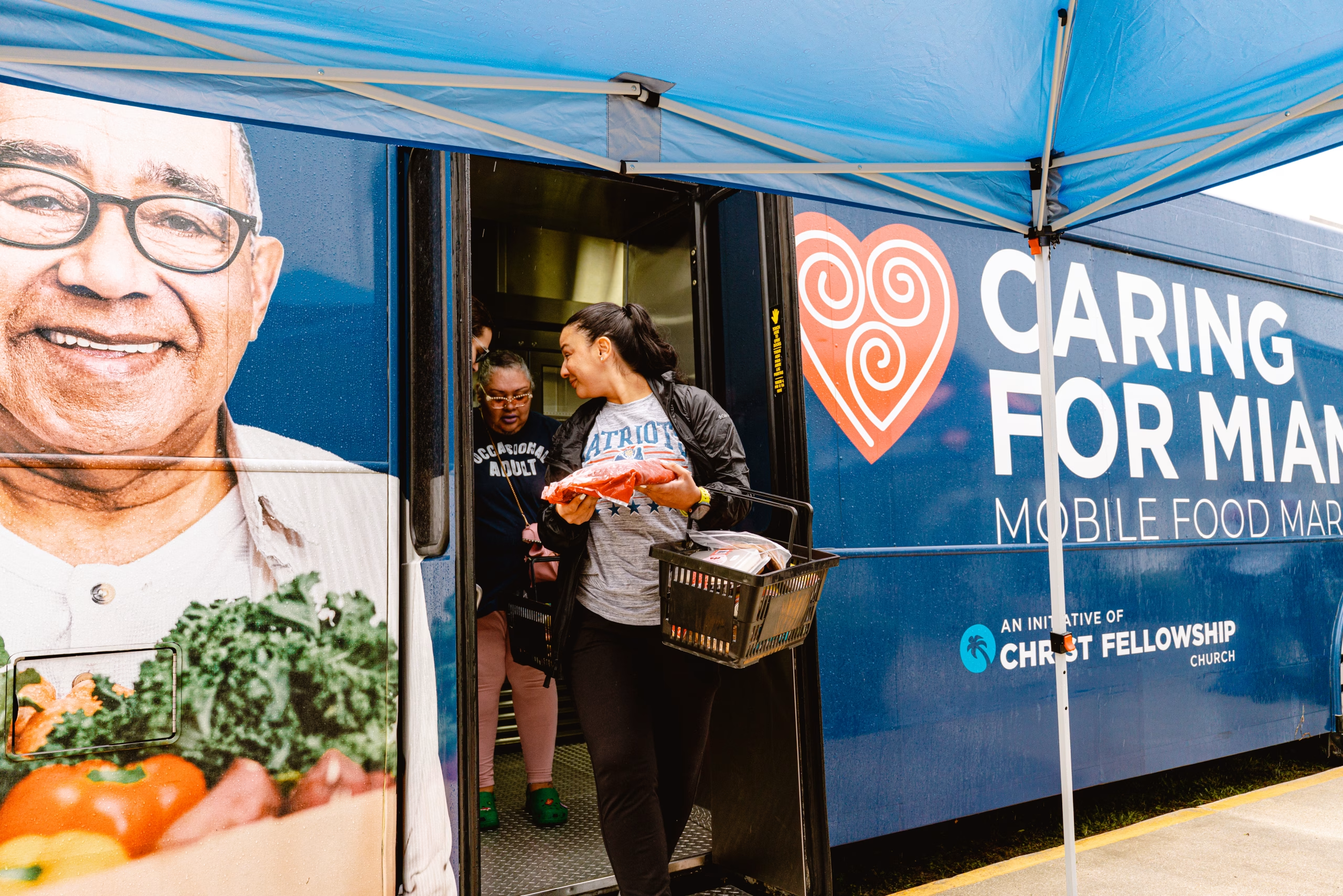
Hannah Ulloa, Volunteer Coordinator and Programs Administrator of Caring For Miami, explained that mobility makes healthy food possible for families who might not otherwise have it.
“Mobile food clinics are uniquely effective because they go directly into the community and meet people where they are. Many of the communities we serve have limited access to transportation, so bringing food into their neighborhoods makes healthy options more accessible and convenient.”
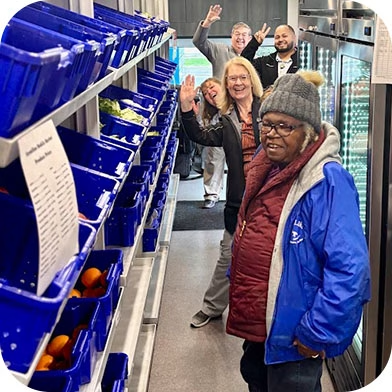
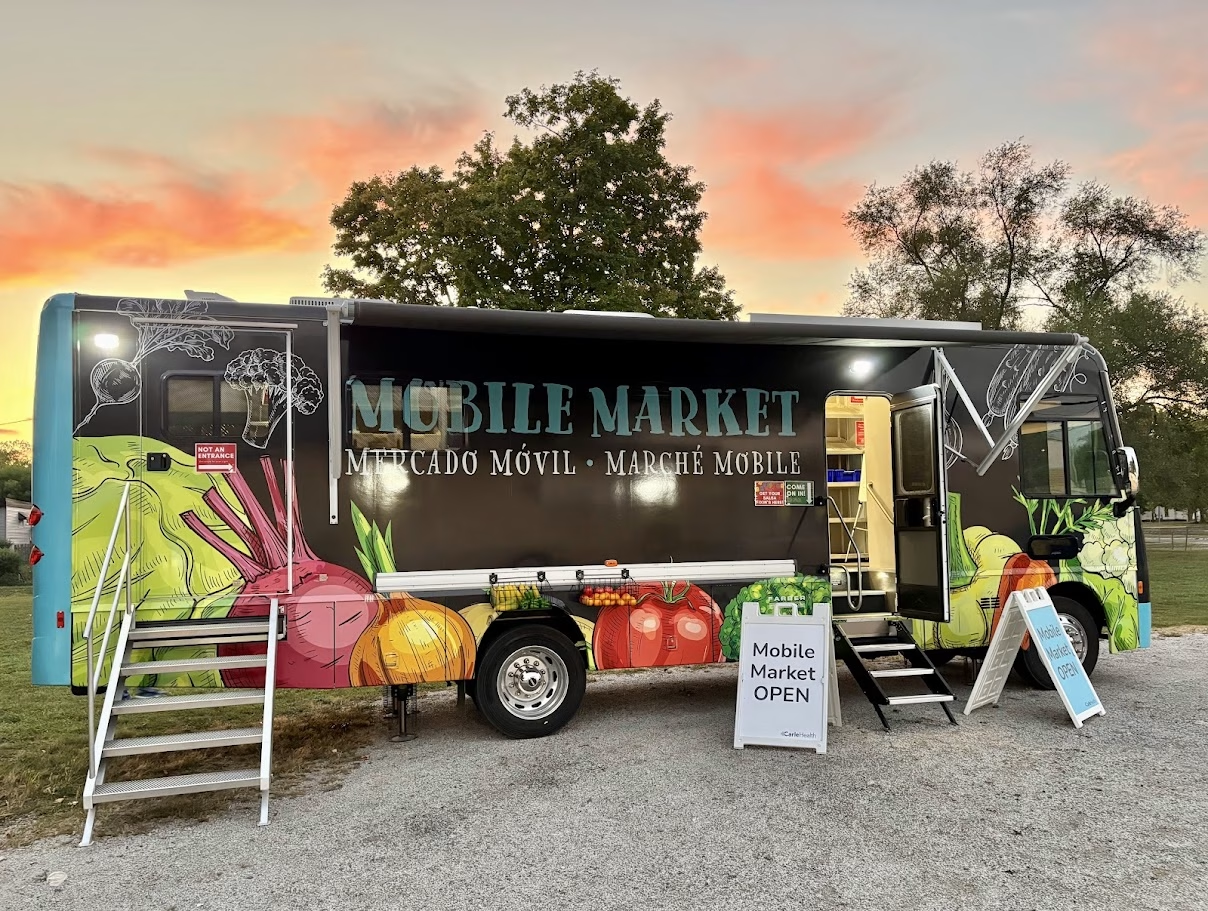
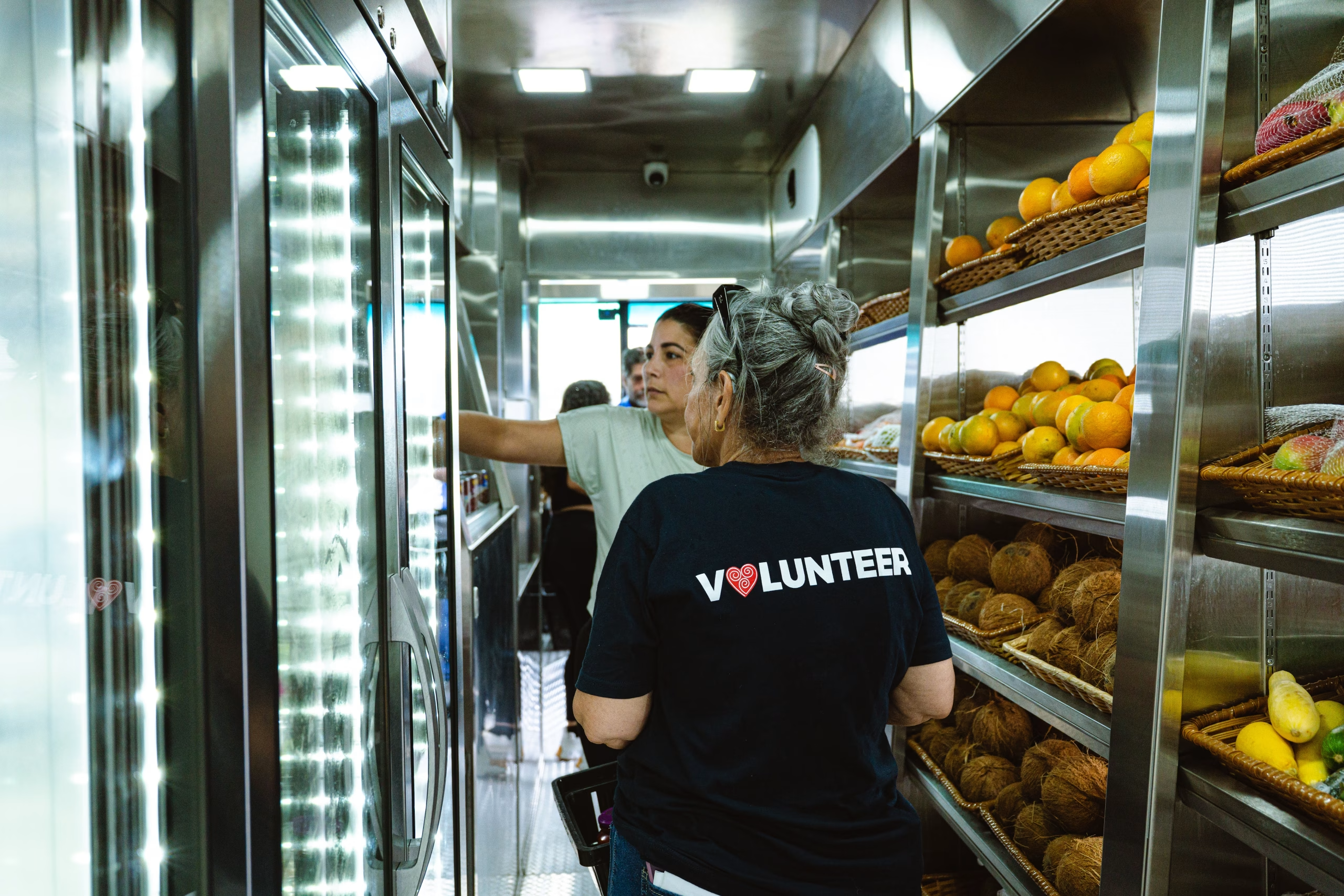
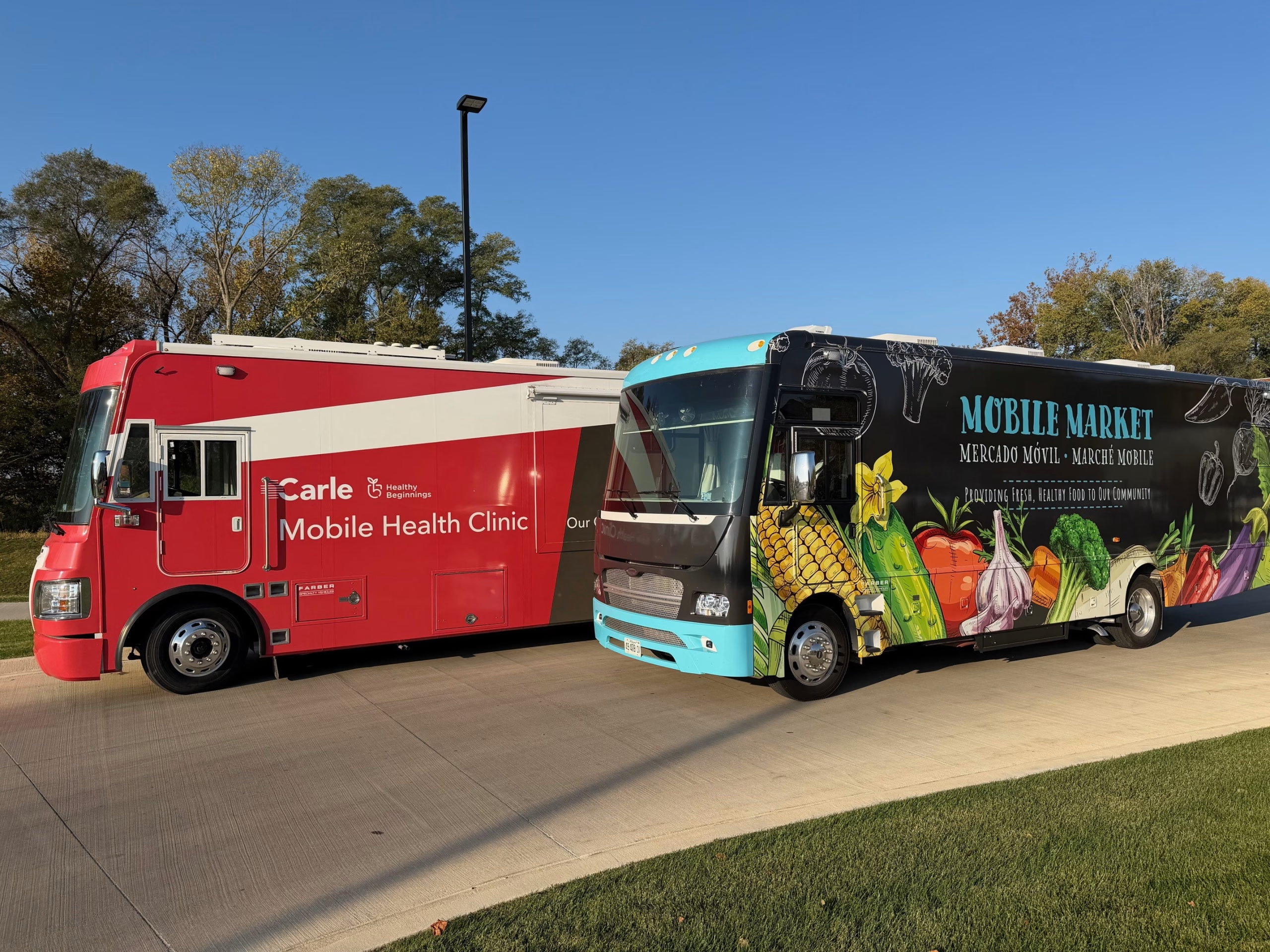
Several programs shared that their mobile markets began with donated transit buses that were converted into grocery stores on wheels. These vehicles were redesigned to function like small markets, allowing individuals to walk through the aisle, choose their own food, and shop in a familiar setting.
Kelly Parker, MSN, RN, NE-BC, Nurse Manager of Carle Mobile Health Services, said the flexibility of mobile programs allows teams to respond to each community’s needs.
“Mobile food clinics play a pivotal role by delivering resources directly to the areas where they are most needed. We can tailor the food we provide to the preferences and cultural needs of the community, and we can also offer education about how to prepare it.”
Melanie B. Ernest, MPA, Director of Community Based Programs of Virtua Health, added that consistency helps build trust.
“When mobile markets come to the same neighborhoods regularly, relationships grow. That trust allows us to offer more than food — we can also connect people with nutrition education, health resources, and other support.”
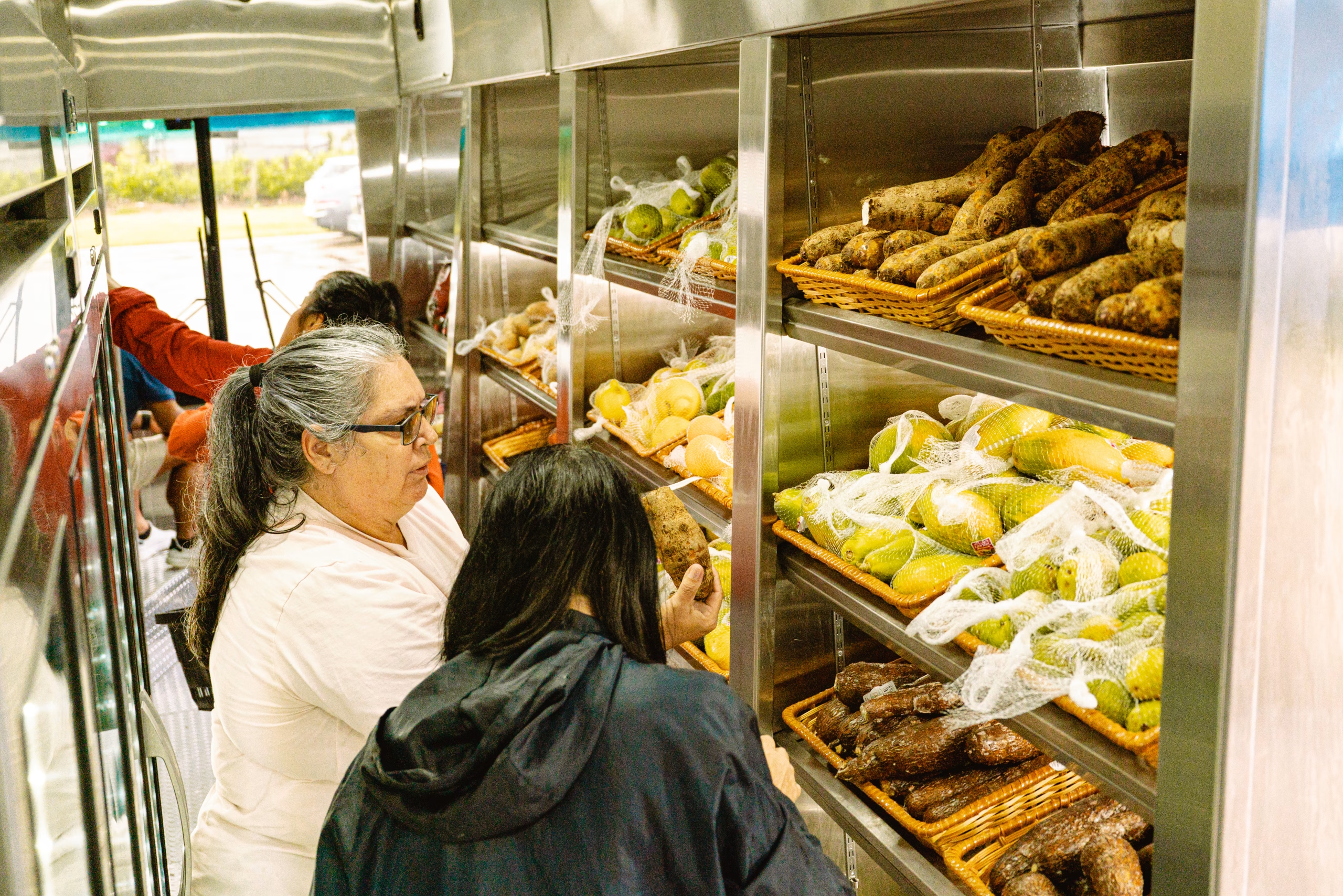
Programs also noted that how food is provided matters. Mobile markets are often designed to feel like grocery stores rather than food pantries, allowing individuals to shop with dignity and choose the foods that work best for their families.
Food Access Is Closely Connected to Health
The theme of National Nutrition Month reminds us that food is fuel for the body, and the quality of that fuel matters. For many mobile programs, the connection between food access and health outcomes is clear.
Ulloa shared that affordability is often the biggest challenge families face.
“If healthy, fresh food were more affordable, we would likely see better eating habits and fewer diet-related illnesses. Through our Mobile Food Market, we provide produce, meat, dairy, and pantry staples at no cost so families have access to the foods they need to live healthier lives.”
Parker sees the same connection through her work in mobile health.
“When families can afford fruits, vegetables, whole grains, and lean proteins, they rely less on processed foods. Over time that can lower rates of diabetes, heart disease, and other chronic conditions.”
Ernest said improving access allows programs to focus on prevention instead of only treatment.
“When healthy food is within reach, people are more likely to build habits that support long-term health. That can make a real difference in overall health outcomes.”
Real Stories Show the Impact
During the conversation, panelists shared stories that highlight the real impact of mobile markets.
One program leader remembered a mother who arrived at the mobile market unsure of what to expect, but left smiling after being able to choose fresh food for her family at no cost.
Another program shared the story of a community member who was initially skeptical of the mobile grocery store, but after building trust and gaining access to healthier foods, she was able to lower her A1C and improve her health over time.
Moments like these remind mobile teams that nutrition programs are not just about food — they are about dignity, trust, and long-term well-being.
Combining Food Access With Nutrition Education
All three programs emphasized that mobile markets are most effective when they go beyond food distribution and include education and support.
Ulloa described how her team created simple resources to make healthy eating easier.
“We developed recipe cards using ingredients people receive at the market and created materials focused on conditions like diabetes and heart disease so individuals can see how nutrition affects their health.”
Parker said working with dietitians and community partners has strengthened their program.
“We include nutrition information with every bag of food, and we often host workshops where community members can ask questions and learn how to prepare healthy meals.”
Ernest noted that hands-on learning helps people feel confident making changes.
“When people receive groceries along with recipes, tips, and education, they are more likely to continue making healthy choices after they leave the mobile market.”
Programs also shared creative approaches, including culturally appropriate recipes, cooking demonstrations, gardening education, and partnerships with local farms to introduce new foods in ways that feel familiar and approachable.
For many mobile healthcare programs, this combination fits naturally with a whole-person approach to care.
What It Takes to Keep a Mobile Market Running
While mobile markets can have a strong impact, the conversation also highlighted the work behind the scenes that makes these programs possible.
Programs shared that success often depends on:
– Strong community partnerships
– Reliable food sources
– Consistent schedules
– Funding and donor support
– Coordination with health services
– Flexibility when plans change
Panelists also emphasized the importance of starting small and learning from the community before expanding.
Some programs began with small pop-up markets or partnerships with local growers before investing in a mobile vehicle. Over time, they adjusted their services based on what residents actually needed.
Parker noted that building understanding about the need is sometimes part of the job.
“Some people assume food is already available through local pantries, so we spend time explaining why mobile access is still needed and how it reaches people who might not otherwise get help.”
Ernest said partnerships are essential.
“We rely on local organizations and community leaders to help us understand where the need is greatest and how to serve each neighborhood effectively.”
Ulloa added that listening to the community makes a difference.
“Food preferences, culture, and schedules are different in every area. When people feel understood, engagement increases.”
Programs also described working with grocery stores, farms, volunteers, schools, and local organizations to keep mobile markets running, including food donations, volunteer support, and partnerships that help reduce waste by redistributing unused produce.
Why Mobile Markets Continue to Grow
As mobile healthcare programs continue to address social drivers of health, many are finding that nutrition and food access are a natural part of the work.
Mobile markets create an opportunity to meet immediate needs while also supporting long-term health through education, prevention, and connection to resources.
In the spirit of National Nutrition Month®, the message from our members is clear:
Healthy communities need access to healthy food, and mobile programs are uniquely positioned to help make that happen.
At Mobile Healthcare Association, we are proud to highlight the work of members who are bringing nutrition on the road and showing how mobile models can continue to evolve to meet the real needs of the communities they serve.
Special thanks to Hannah Ulloa (Caring for Miami), Kelly Parker (Carle Mobile Health Services), and Melanie B. Ernest (Virtua Health) for providing the insights, responses, and photos featured in this interview.