Meet Our New CEO: Q&A with Mary Ellen Beliveau
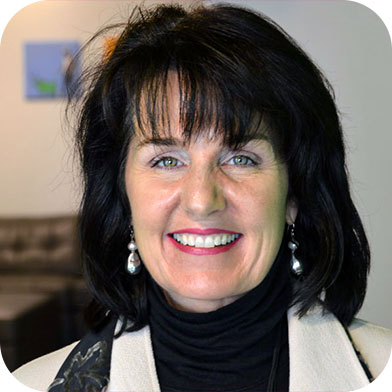
Mobile Healthcare Association is excited to welcome Mary Ellen Beliveau as its new Chief Executive Officer. A mission-driven leader with extensive experience in healthcare, nonprofit leadership, strategy, and organizational growth, Mary Ellen joins the Association at a pivotal moment for the mobile healthcare field. As mobile care continues to gain recognition as an essential solution for expanding access and advancing health equity, she brings a collaborative, practical, and people-centered approach to leadership.
In this Q&A, Mary Ellen shares what drew her to the Association, her vision for the future of mobile healthcare, her priorities for the months ahead, and what inspires her most about the members and communities served by this growing movement. The Association’s strong foundation, national reach, and commitment to supporting mobile healthcare programs make this an exciting time to build on past successes and shape the next chapter together.
What drew you to Mobile Healthcare Association and this role?
I have been increasingly drawn to work that improves access to care in practical, community-centered ways. Mobile healthcare does exactly that. It meets people where they are, reduces barriers, and helps communities connect people to services that can change health outcomes and lives.
What drew me to Mobile Healthcare Association specifically was the combination of mission, timing, and opportunity. The Association has already built a trusted community, a national footprint, learning resources, technical assistance, and convenings that matter. At the same time, the mobile healthcare field is growing quickly, and I believe the Association has an important role to play in helping programs launch well, improve, sustain, and scale.
What excites you most about joining Mobile Healthcare Association at this moment?
This feels like a meaningful inflection point for mobile healthcare. Across the country, health systems, community health centers, local health departments, funders, policymakers, and community-based organizations are paying closer attention to mobile care as a practical access solution.
What excites me is that the Association is already deeply connected to the people doing this work every day. There is so much wisdom in this community. My job is to listen carefully, understand what members need most, and work with the board, team, and partners to strengthen the Association’s value, visibility, and impact.
How would you describe your leadership style in a few words?
Transparent, collaborative, disciplined, and human-centered.
I believe people do their best work when they understand the “why,” have clarity around priorities, and feel respected for what they bring. I also believe in honest communication, clear decision-making, and building operating rhythms that help teams move faster without becoming bureaucratic.
At my best, I help people see where we are going, understand how their work connects to the larger mission, and create the structure needed to turn vision into execution.
What do you see as the biggest opportunities for mobile healthcare over the next few years?
The biggest opportunity is to help mobile healthcare become more fully recognized as an essential part of the care delivery ecosystem — not as a side program, but as a practical, flexible, and deeply human way to improve access.
I see opportunities around rural health, chronic disease management, maternal and child health, behavioral health, preventive care, community-based care, and stronger connections between mobile programs and broader systems of care.
I also think the field has an opportunity to define what good looks like: how programs are designed, funded, staffed, measured, partnered, and sustained. That is where the Association can be especially valuable — helping reduce fragmentation and supporting the field with practical tools, standards, learning, and connection.
What have you learned about our members so far that has impressed you?
What has impressed me most is the level of commitment and creativity. Mobile healthcare leaders are often solving complex problems with limited resources, in real time, and in very different community contexts.
I have also been struck by how practical this field is. The work is not abstract. It is about trust, access, logistics, workforce, funding, partnerships, vehicles, data, safety, sustainability, and people. That combination of mission and operational reality is powerful — and it is one of the reasons I am so excited to learn from the Association’s members.
What will be your top priorities during your first 90 days?
My first priority is to listen and learn. I want to understand the Association, the team, the board, the members, and the field before moving too quickly into conclusions.
During the first 90 days, I will focus on understanding what is working well, what feels fragile, where members need more support, and where the Association has the greatest opportunity to strengthen its value and impact. I will also be looking closely at the organization’s operating model, financial visibility, member experience, annual meeting, partnerships, and internal capacity.
The goal is not to change everything in 90 days. The goal is to build trust, create clarity, identify priorities, and establish a strong foundation for the next chapter.
How do you hope members will experience Mobile Healthcare Association under your leadership?
I hope members experience the Association as highly relevant, practical, responsive, and deeply connected to the realities of their work.
I want members to feel that the Association understands the challenges they face — launching programs, sustaining funding, building partnerships, improving operations, measuring impact, and serving communities well.
Over time, I hope members see the Association as the trusted national home for mobile healthcare: a place to learn, connect, solve problems, strengthen programs, and help shape the future of the field together.
What is one thing you would like members, partners, and stakeholders to know about you?
I care deeply about mission, but I am also very practical. I believe meaningful impact requires both heart and operating discipline.
I am coming into this role with a lot of respect for the people who built the Association and for the members doing this work every day. I do not believe leaders should arrive with all the answers. I believe they should ask better questions, listen carefully, build trust, and then help people move with clarity and purpose.
Outside of work, what helps you recharge and stay grounded?
Being outside grounds me. I live with my husband between Greenville, South Carolina, and Asheville, North Carolina, in the Blue Ridge Mountains, and I love hiking, gardening, birding, and spending time in nature. I am happiest when I can be outside — moving, noticing small things, and getting perspective.
I am also a big yoga enthusiast and try to practice three to four times a week. It helps me stay centered, especially during seasons of change and intensity.
My husband and I are now empty nesters. We have a 23-year-old son and a 27-year-old daughter, and family is truly my heart and soul. We also share life with three dogs: Max, our Collie; Scout, our Australian Shepherd; and Ashi,our Poowowa (our newly re-homed poodle-Chihuahua mix). They keep life joyful, funny, and full of perspective.
Looking ahead, what makes you most optimistic about the future of the Mobile Healthcare Association?
I am optimistic because the mission matters, the field is growing, and the Association has a strong foundation to build from.
The Association has a trusted community, committed members, a passionate team, a dedicated board, and a national platform at a time when mobile healthcare is becoming increasingly important. That combination creates real opportunity.
What makes me most optimistic is the people. This is a field filled with practical problem-solvers who care deeply about access, dignity, and community. If the Association can continue bringing those people together, listening well, and building the right support around them, I believe the Association can play a powerful role in shaping the future of mobile healthcare.