Empowering Mobile Health Programs Through Data, Evaluation, and Impact
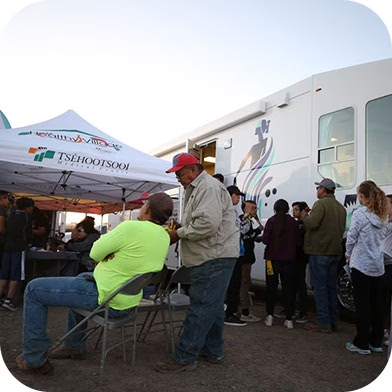
Mobile Healthcare Association proudly celebrates the achievements of the 2024 Strengthening & Sustaining Mobile Healthcare Grant Program awardees.
This annual initiative supports Mobile Healthcare Association member organizations in building their monitoring and evaluation (M&E) capacity, empowering mobile health programs to collect, analyze, and use data to strengthen services, demonstrate impact, and secure sustainability.
Each grantee received up to $10,000 to develop or enhance systems that support evaluation, data visualization, or performance measurement. The 2024 cohort represents an inspiring cross-section of mobile health innovators tackling complex challenges through creative data-driven solutions.
Cornell Scott-Hill Health Corporation
Building Internal Data Capacity Through Clinical Dashboard Development
Location: New Haven, Connecticut
The Cornell Scott-Hill Health Corporation (CS-HHC) used its grant to strengthen its School-Based Health Center (SBHC) program’s Mobile Medical Van data infrastructure. The team aimed to build dashboards within the EPIC system to track BMI screening and depression screening and follow-up rates.
Although technical barriers limited full data extraction, the project yielded valuable organizational learning. CS-HHC identified workflow gaps, trained a nurse practitioner as an EPIC Physician Builder, and developed internal tools to reduce dependence on external IT support.
“This grant gave us the foundation to build autonomy and sustainability,” the team shared. “We now understand where our data challenges lie and how to fix them.”
The work established a clearer roadmap for improving behavioral health and nutrition documentation across CS-HHC’s school mobile clinics.
Fort Defiance Indian Hospital Board
Listening to Communities Through Mobile Health Needs Assessments
Location: Navajo Nation, Arizona
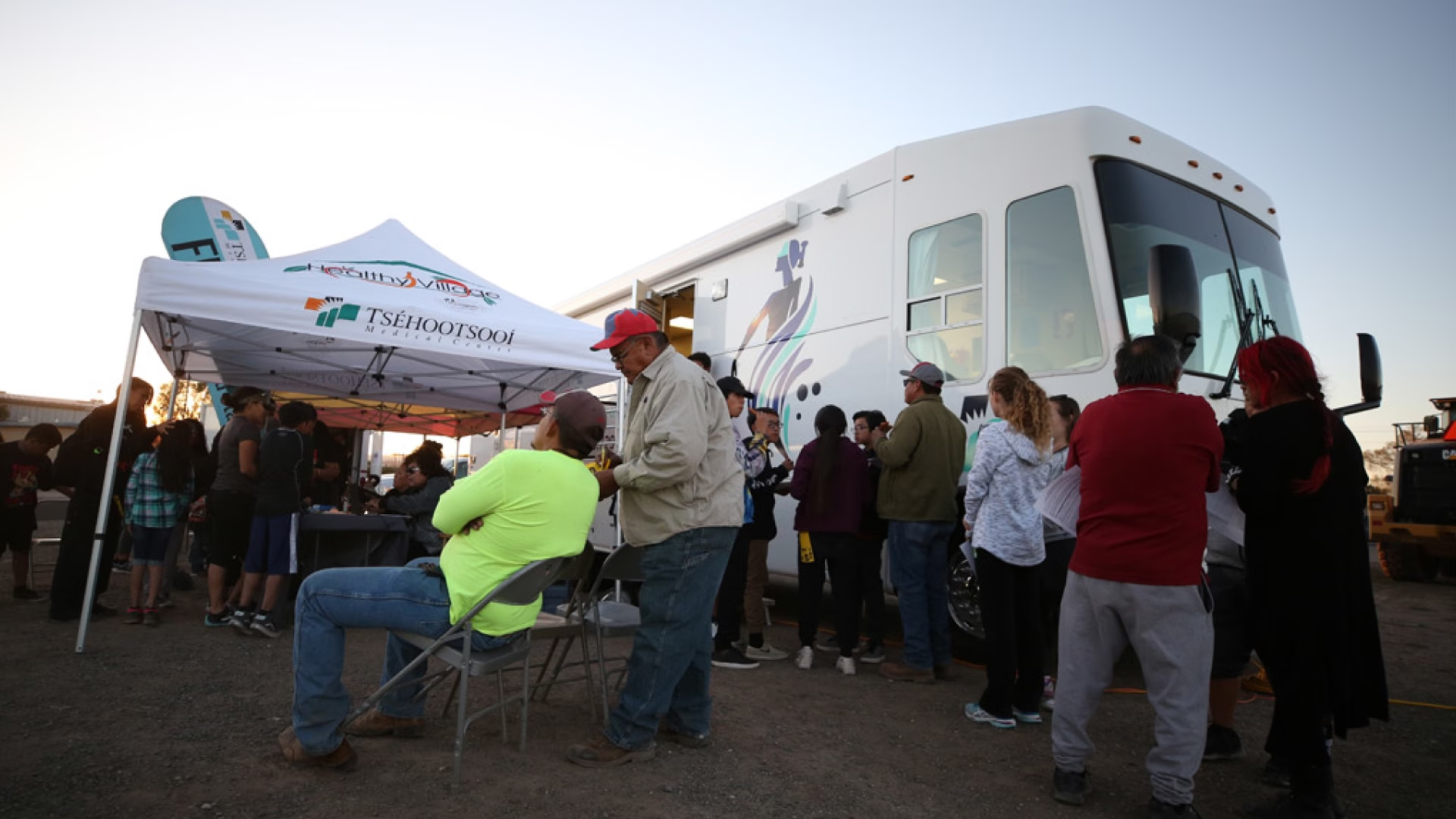
The Fort Defiance Indian Hospital Board’s Mobile Health Program used its grant to strengthen community input and data-driven planning. Partnering with Mobile Health Map, the team conducted surveys and developed a Resource Mapping initiative to better understand community needs across Navajo Nation chapters.
Over 100 paper surveys identified transportation, mental health care, and food insecurity as top concerns. The team also procured new tablets for digital data collection and began forming a community advisory group.
“This grant encouraged us to look at our program with a more critical eye,” staff noted. “It allowed us to listen directly to our communities and plan services more purposefully.”
This foundational work has positioned the program to develop a sustainable evaluation system rooted in community voice.
Healthcare Education Research and Innovation Foundation (HERIF)
Building an Equitable and Data-Driven Model for Mobile Vaccination
Location: Chicago, Illinois
The HERIF Mobile Vaccine Program advance health equity by delivering vaccination and wellness services to underserved populations across Chicago, including migrants, unhoused individuals, CPS students, seniors, and LGBTQI+ residents.
HERIF’s M&E focus included measuring reach, assessing vaccination rates, and evaluating patient satisfaction and access barriers. The team built a centralized data dashboard and integrated neighborhood-level mapping to visualize equity gaps and improve outreach strategies.
Key outcomes:
– 16,549 vaccines administered to 9,758 unique patients
– 524 total events, including 239 in nursing homes, 166 at schools, and 119 home visits
– Over 10,800 vaccines delivered to nursing home residents alone
While HERIF achieved strong operational success, the evaluation identified missing feedback from homebound and institutionalized populations, underscoring the need for inclusive, multilingual evaluation tools.
“This grant helped us evolve into a more equitable and accountable healthcare partner,” HERIF reflected.
The project built lasting data infrastructure and deepened HERIF’s capacity to pair outreach with measurement and learning.
Lahai Health
Building Participatory Evaluation Tools to Measure Trust, Respect, and Inclusion
Location: King and Snohomish Counties, Washington
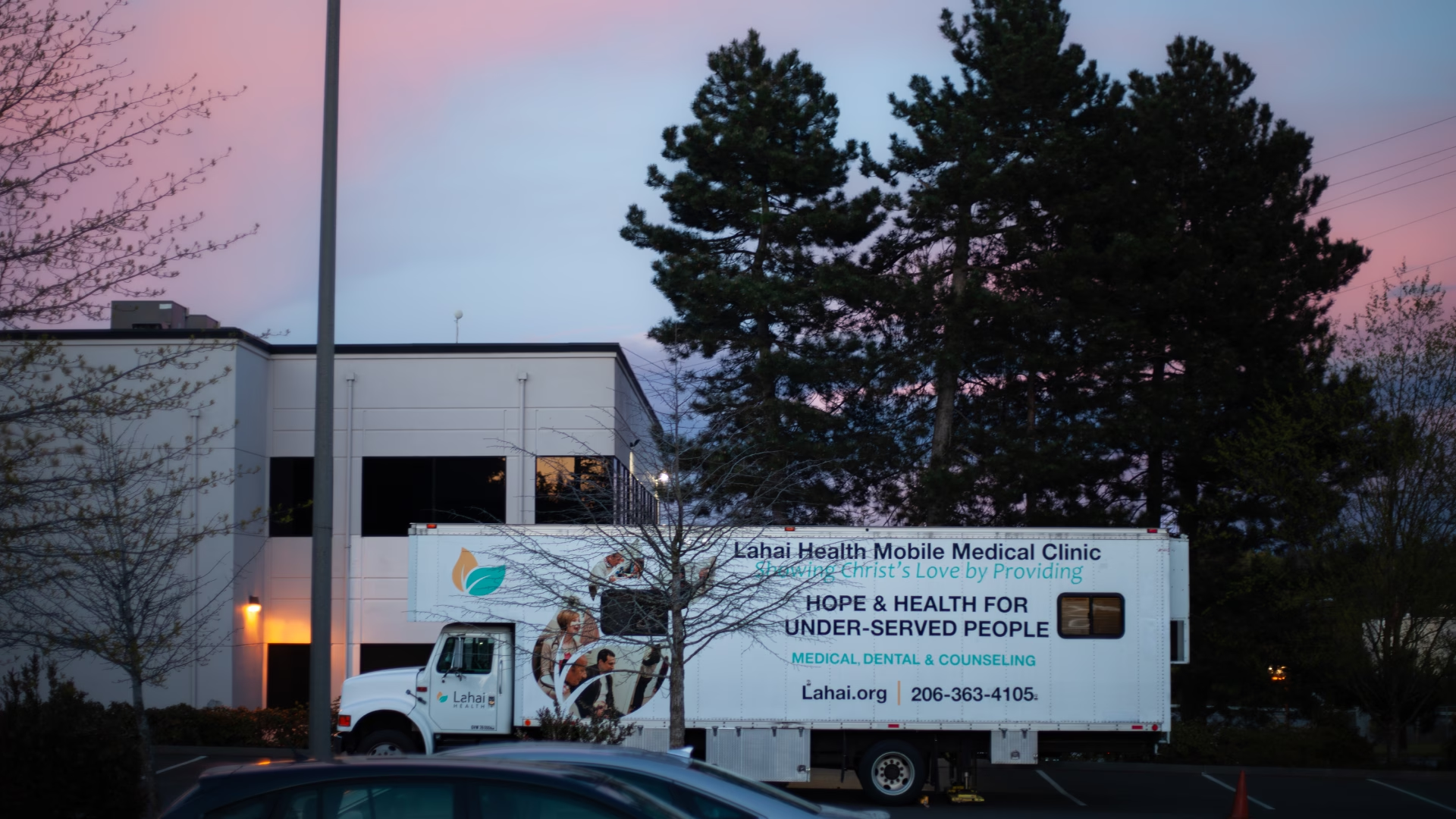
Lahai Health used participatory learning to develop new ways of measuring impact beyond clinical outcomes, focusing on trust, respect, inclusion, and barrier reduction.
Through facilitated workshops with staff, volunteers, and providers, Lahai identified shared indicators of success and developed three new survey campaigns:
- Lahai Health Patient Survey – annual anonymous patient satisfaction assessment.
- Green Sheet Survey – post-appointment feedback for every clinic visit.
- Provider Survey – longitudinal provider feedback on patient engagement and health progress.
All surveys were implemented through Rounds by TCI Software, enabling real-time feedback and analysis.
“We hope these surveys help us tell a richer story of impact, one grounded in patient experience and community trust,” Lahai shared.
The project strengthened organizational reflection, improved reporting to funders, and created tools now being shared with peer clinics across Washington.
Medical Teams International
Building the Foundation for Data Collaboration Across Mobile Programs
Location: Portland, Oregon
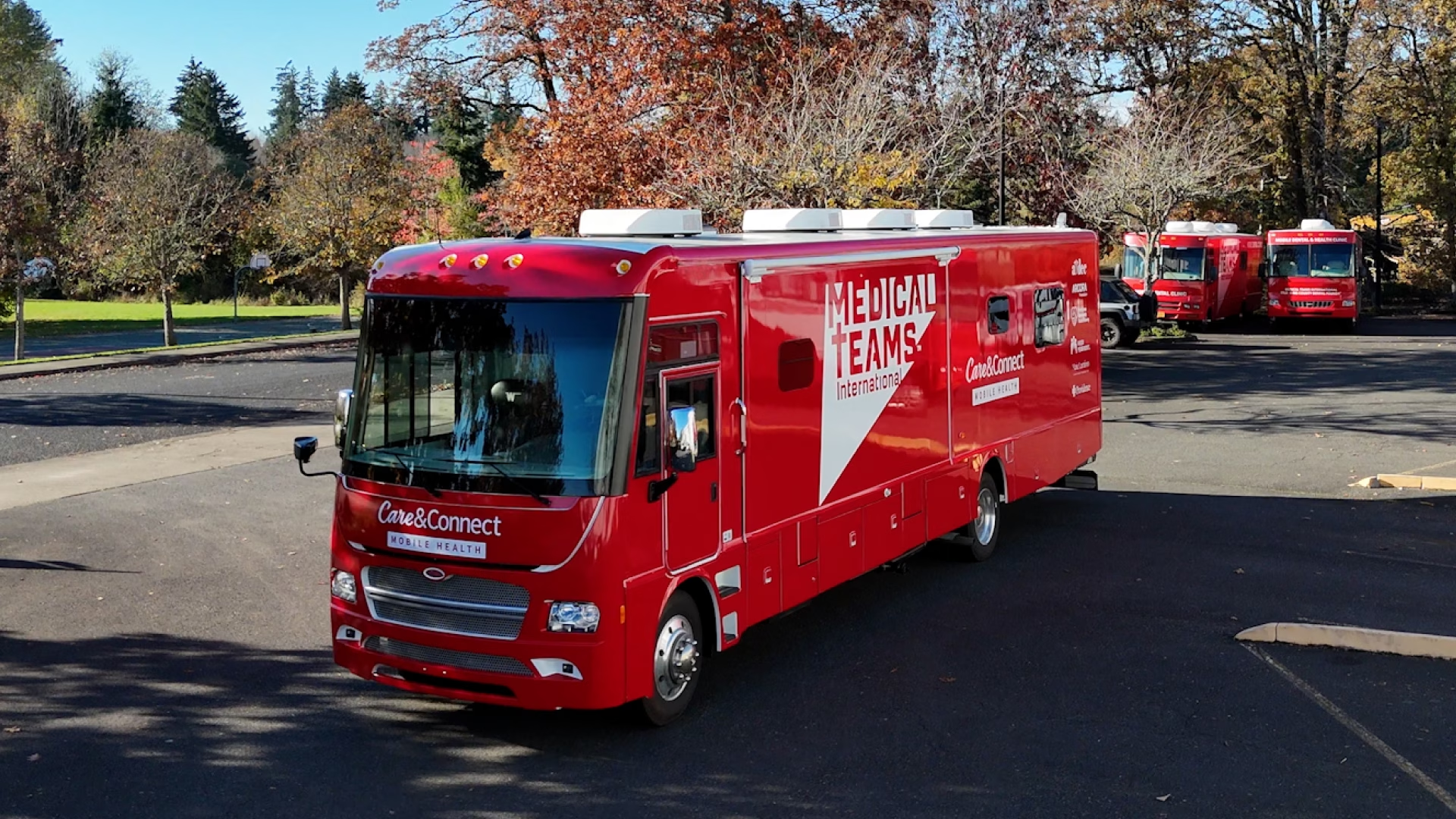
For nearly four decades, Medical Teams International (MTI) has delivered compassionate mobile healthcare to underserved communities.
With this grant, MTI partnered with the Tri-County Mobile Health Coalition to address a major industry challenge: fragmented data systems among mobile providers. Through interviews and systems mapping, MTI identified barriers such as siloed development, inconsistent definitions, and high technology costs.
The team developed a visual workflow model of current and ideal data-sharing processes, laying the groundwork for a shared regional data hub to improve collaboration.
“This work set our program up as a leader in understanding and addressing barriers to data collaboration,” MTI noted.
The model now serves as a reference point for future interoperability initiatives among mobile health programs nationwide.
Near Vision Institute
Developing a Research-Ready Eye Exam Data Repository
Location: Washington State
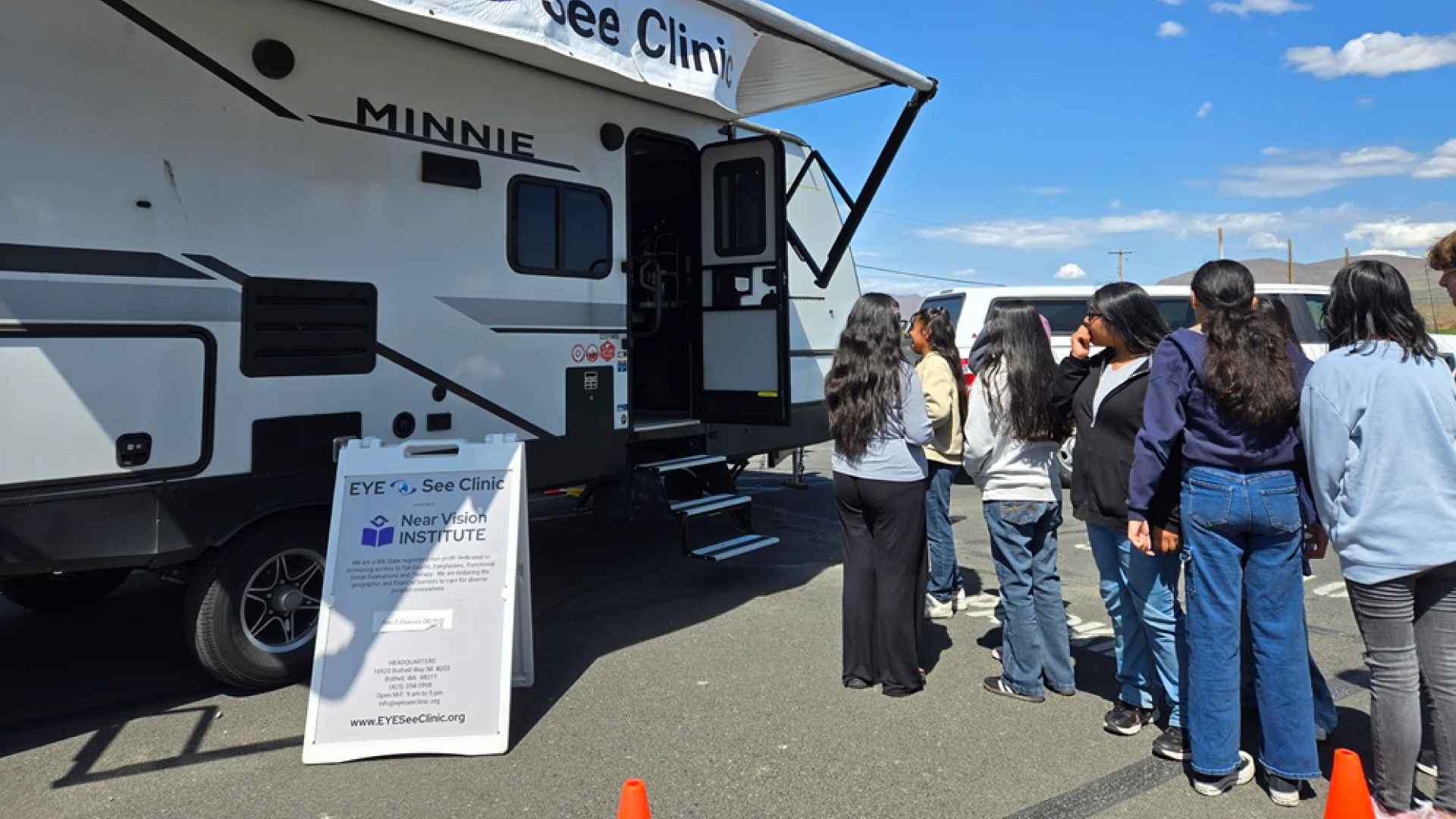
The Near Vision Institute used its grant to create a secure, HIPAA- and FERPA-compliant EYE Repository Project, capturing anonymized eye exam and demographic data from school-based mobile clinics.
Collaborating with volunteer faculty and computer science students, the team developed a flexible database architecture to support research on school optometry outcomes. Early visualizations on conditions such as amblyopia and astigmatism informed database refinements and demonstrated the potential for broader academic study.
“This project is our first step toward contributing research to the field of school optometry,” the team said.
The repository now serves as a foundation for large-scale analysis and future publications, linking school vision care directly to learning outcomes.
University of Arizona Mobile Health Program
Building a Centralized Dashboard for Primary and Prenatal Care
Location: Tucson, Arizona
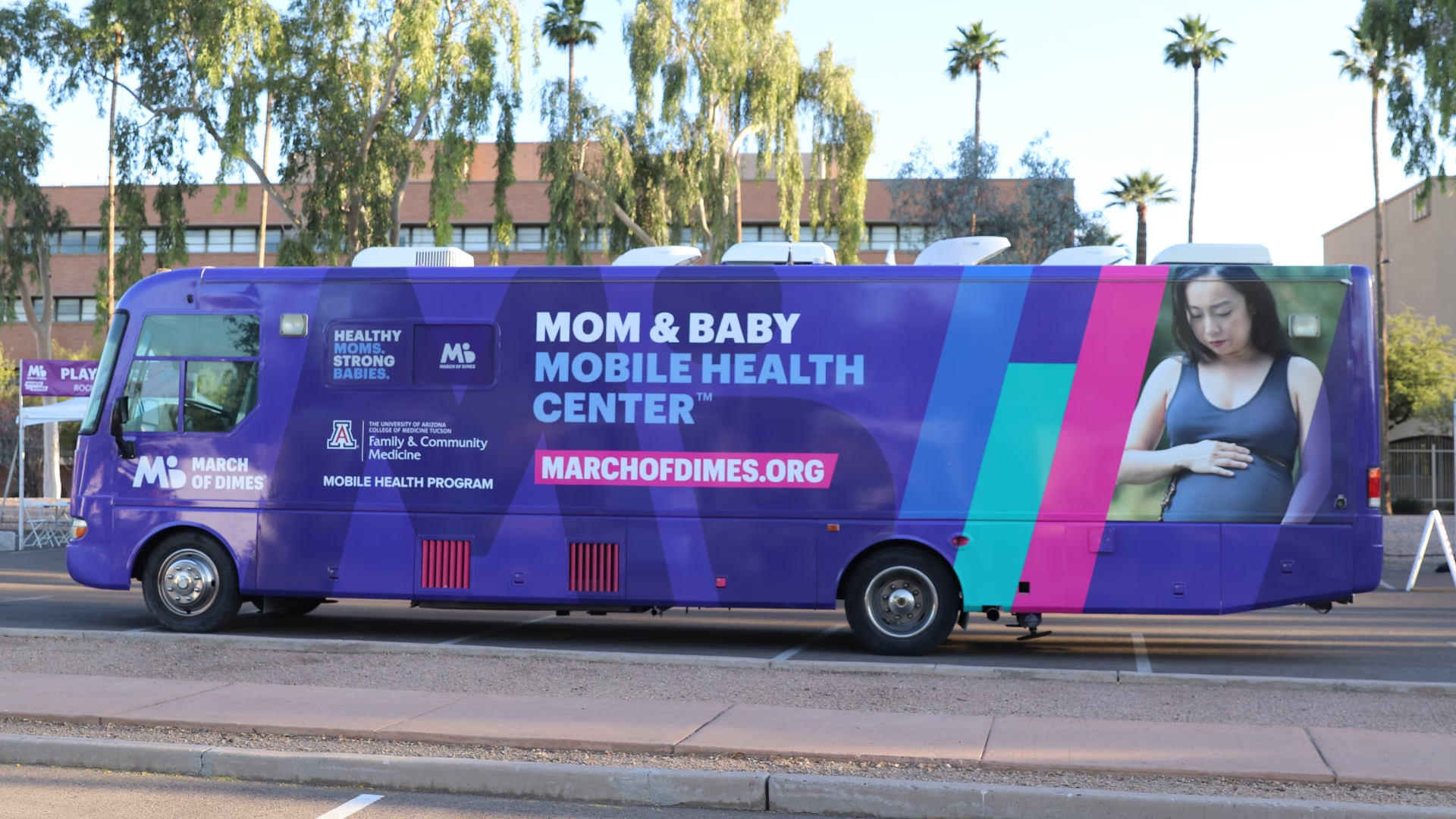
The University of Arizona Mobile Health Program (MHP) provides free primary and prenatal care to uninsured patients in Southern Arizona.
Through this grant, MHP created an integrated primary care database and dashboard that consolidates over five years of EMR data into a dynamic visualization tool built with R.
Key achievements:
– Automated monthly data updates replacing hours of manual reporting
– 30% increase in appointments from 2022 to 2023
– Over 2,000 annual patient visits, with 88% racial/ethnic minority patients
– Hypertension control maintained for over 70% of adult patients
“This dashboard transformed how we use data,” the MHP team shared. “It informs decisions, supports research, and strengthens communication of our impact.”
The project enhanced reporting efficiency and established a replicable model for other mobile programs.
University of Miami Pediatric Mobile Clinic
Giving Voice to Families Through Multilingual Evaluation
Location: Miami-Dade County, Florida
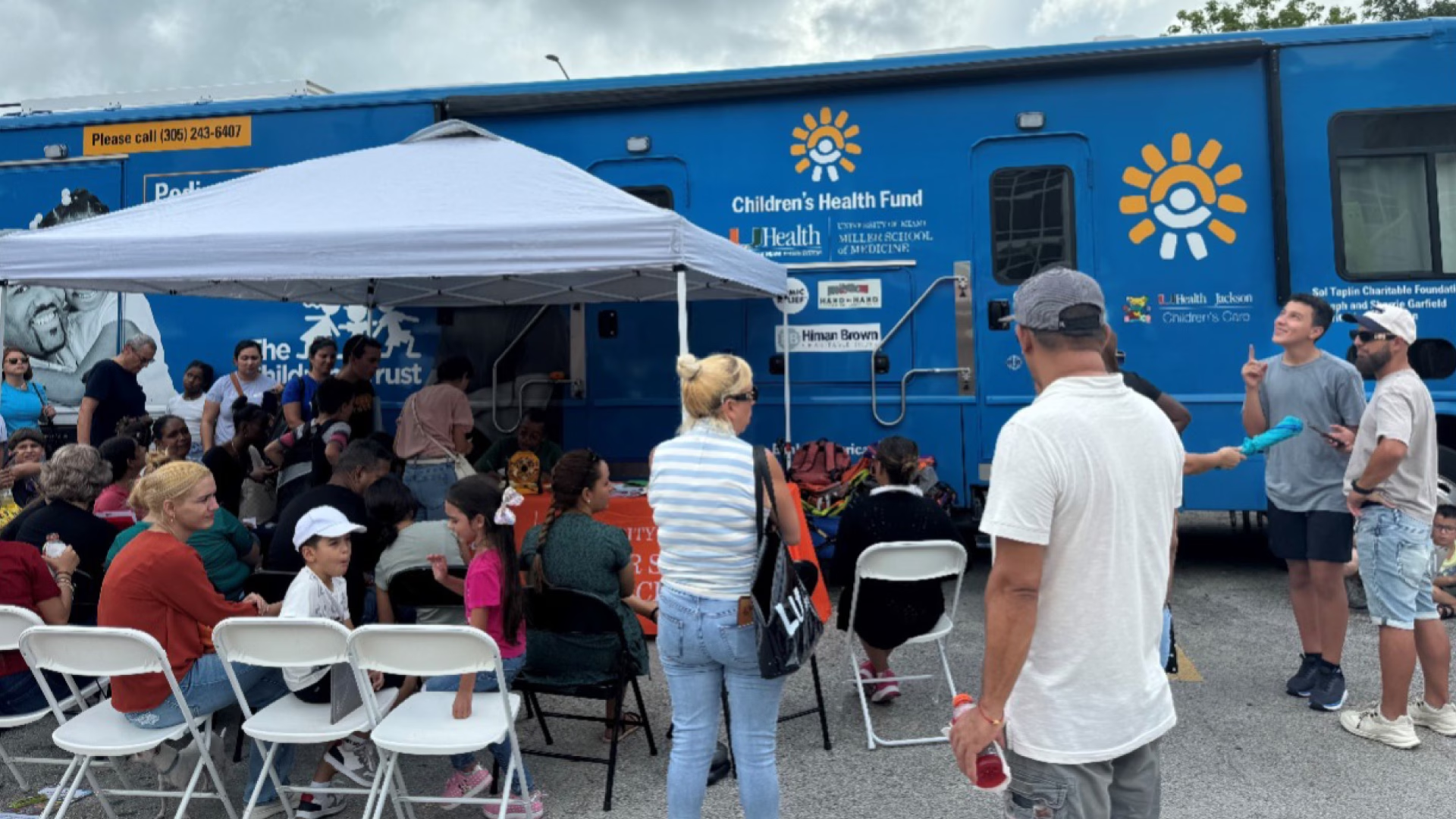
The University of Miami Pediatric Mobile Clinic (PMC) used its grant to implement a multilingual patient experience survey—in English, Spanish, and Haitian Creole—to capture caregiver feedback and improve services.
The IRB-approved survey generated the program’s first quantitative satisfaction data, revealing:
– 100% of caregivers felt comfortable during visits
– 98% rated staff as friendly and respectful
– 96% would return and recommend the clinic
“This effort ensures that family voices remain central to our mission,” the PMC team noted.
Findings also informed expansion into mental health and dental services, embedding family input into ongoing quality improvement.
West Virginia University Cancer Institute (WVUCI) Mobile Cancer Screening Program
Using Qualitative Evaluation to Strengthen Partnerships and Patient Experience
Location: Morgantown, West Virginia
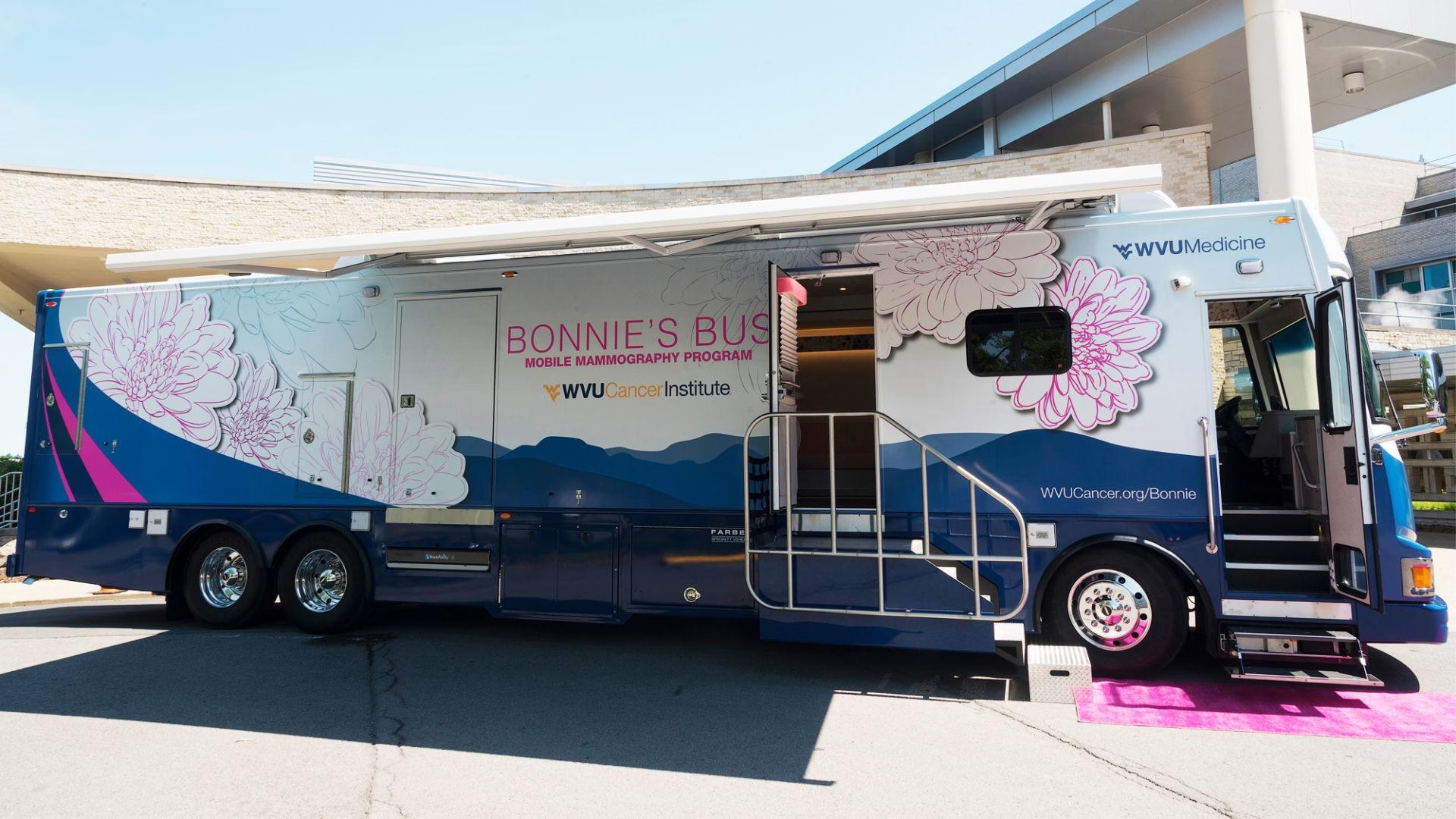
The WVUCI Mobile Cancer Screening Program enhanced its monitoring and evaluation through key informant interviews and a no-show rate analysis, uncovering new insights about patient engagement and operational dynamics.
Key findings revealed staff variability in procedure implementation, opportunities for improved educational materials, and the potential of integrating EHR alerts to flag screening-eligible patients.
Though recruitment challenges limited the number of interviews, the qualitative data collected were highly actionable and strengthened WVUCI’s relationships with community partners.
“The feedback helped us align services with community realities and reinforced our team’s sense of purpose,” WVUCI reported.
This project laid the groundwork for ongoing quality improvement and strengthened a culture of feedback within the mobile program.
Moving Forward: Strengthening the Evidence for Mobile Health
The 2024 Strengthening & Sustaining Mobile Healthcare Grant Program demonstrates how small, targeted investments in monitoring and evaluation can generate large-scale impact.
From dashboards and data repositories to participatory evaluation and patient voice, this year’s nine grantees are collectively advancing the evidence base for mobile healthcare.
Mobile Healthcare Association congratulates all 2024 grantees for their dedication to equity, innovation, and data-driven improvement. Together, they are building a future where mobile healthcare is not just accessible but measurable, equitable, and sustainable.
To learn more about the program and future opportunities, visit mobilehca.org/grants.